Tag: engagement

Neftaly Email: sayprobiz@gmail.com Call/WhatsApp: + 27 84 313 7407

[Contact Neftaly] [About Neftaly][Services] [Recruit] [Agri] [Apply] [Login] [Courses] [Corporate Training] [Study] [School] [Sell Courses] [Career Guidance] [Training Material[ListBusiness/NPO/Govt] [Shop] [Volunteer] [Internships[Jobs] [Tenders] [Funding] [Learnerships] [Bursary] [Freelancers] [Sell] [Camps] [Events&Catering] [Research] [Laboratory] [Sponsor] [Machines] [Partner] [Advertise]  [Influencers] [Publish] [Write ] [Invest ] [Franchise] [Staff] [CharityNPO] [Donate] [Give] [Clinic/Hospital] [Competitions] [Travel] [Idea/Support] [Events] [Classified] [Groups] [Pages]

  • Neftaly Mergers and Acquisitions Consulting in Transport through Stakeholder Engagement

    Neftaly Mergers and Acquisitions Consulting in Transport through Stakeholder Engagement

    Neftaly Mergers and Acquisitions Consulting in Transport through Stakeholder Engagement

    This topic focuses on how Neftaly helps transport organizations enhance M&A outcomes by actively engaging stakeholders—including investors, regulators, employees, and leadership teams—to ensure alignment, trust, and smooth execution throughout the merger or acquisition lifecycle.


    ???? Key Focus Areas

    1. Stakeholder Mapping and Analysis
    Identifying key stakeholders who influence or are impacted by the M&A process, and understanding their interests, expectations, and concerns.

    2. Engagement Strategy Development
    Designing structured approaches for transparent communication, collaboration, and alignment with M&A objectives.

    3. Risk and Opportunity Assessment
    Incorporating stakeholder perspectives to identify potential risks and opportunities during the transaction and integration phases.

    4. Change Management and Communication
    Ensuring stakeholders are informed, involved, and supported during organizational changes to maintain confidence and minimize resistance.

    5. Governance and Decision-Making Alignment
    Aligning stakeholders with governance structures and decision-making processes to ensure timely and informed M&A actions.

    6. Performance Monitoring
    Tracking stakeholder engagement effectiveness and its impact on deal execution, integration success, and value realization.

    7. Continuous Improvement
    Using stakeholder feedback to refine engagement practices for future M&A initiatives.


    ???? Outcomes

    • Stronger stakeholder alignment, trust, and accountability during M&A processes.
    • Improved risk management and decision-making informed by stakeholder insights.
    • Enhanced employee and leadership confidence throughout organizational transitions.
    • Smooth integration of operations, culture, and governance post-merger or acquisition.
    • Sustainable framework for stakeholder-driven M&A success in the transport sector.
  • Neftaly Financial Advisory Consulting in Transport through Stakeholder Engagement

    Neftaly Financial Advisory Consulting in Transport through Stakeholder Engagement

    Neftaly Financial Advisory Consulting in Transport through Stakeholder Engagement

    This topic focuses on how Neftaly helps transport organizations enhance financial advisory outcomes by actively engaging stakeholders—including investors, regulators, management, and operational teams—to ensure informed decision-making, transparency, and alignment with strategic financial goals.


    ???? Key Focus Areas

    1. Stakeholder Mapping and Analysis
    Identifying key internal and external stakeholders who influence financial strategy and understanding their expectations, interests, and priorities.

    2. Engagement Strategy Development
    Designing structured approaches to communicate financial insights, collaborate on decisions, and align stakeholders with advisory objectives.

    3. Financial Reporting and Transparency
    Providing stakeholders with clear, accurate, and timely financial data to support informed decision-making.

    4. Risk and Opportunity Assessment
    Incorporating stakeholder insights to identify financial risks and opportunities, ensuring strategies are robust and proactive.

    5. Policy and Process Alignment
    Aligning organizational financial policies and processes with stakeholder expectations and regulatory requirements.

    6. Training and Knowledge Sharing
    Educating stakeholders on financial principles, advisory tools, and metrics to enable effective participation and alignment.

    7. Continuous Feedback and Improvement
    Implementing mechanisms to collect stakeholder feedback, measure engagement effectiveness, and refine financial advisory practices.


    ???? Outcomes

    • Stronger stakeholder alignment and accountability in financial decision-making.
    • Improved financial transparency, governance, and risk management.
    • Enhanced trust and collaboration between the organization and its stakeholders.
    • Data-driven insights for continuous improvement in financial advisory practices.
    • Sustainable framework for stakeholder-driven financial advisory excellence in the transport sector.
  • Neftaly Innovation Consulting in Transport through Stakeholder Engagement

    Neftaly Innovation Consulting in Transport through Stakeholder Engagement

    Neftaly Innovation Consulting in Transport through Stakeholder Engagement

    This topic focuses on how Neftaly helps transport organizations drive innovation by actively engaging stakeholders—including employees, partners, regulators, and customers—to co-create solutions, validate ideas, and ensure adoption and impact.


    ???? Key Focus Areas

    1. Stakeholder Mapping and Analysis
    Identifying internal and external stakeholders, understanding their interests, influence, and potential contributions to innovation initiatives.

    2. Engagement Strategy Development
    Designing structured engagement approaches that foster collaboration, transparency, and alignment on innovation goals.

    3. Co-Creation Workshops and Ideation Sessions
    Facilitating collaborative sessions to generate, prioritize, and refine innovative ideas with stakeholder input.

    4. Communication and Feedback Loops
    Ensuring continuous communication, collecting feedback, and integrating stakeholder insights into innovation planning and execution.

    5. Alignment with Strategic Objectives
    Ensuring that innovation initiatives meet organizational goals while addressing stakeholder needs and expectations.

    6. Risk and Opportunity Assessment
    Using stakeholder perspectives to identify potential risks, challenges, and opportunities for successful innovation.

    7. Continuous Monitoring and Improvement
    Establishing KPIs and iterative feedback mechanisms to measure engagement effectiveness and refine stakeholder involvement.


    ???? Outcomes

    • Stronger stakeholder alignment, trust, and participation in innovation initiatives.
    • Enhanced quality, relevance, and adoption of innovative solutions.
    • Data-driven insights for continuous improvement and decision-making.
    • Reduced risk and resistance through collaborative engagement.
    • Sustainable framework for stakeholder-driven innovation excellence in the transport sector.
  • Neftaly Adapting Employee Engagement Consulting

    Neftaly Adapting Employee Engagement Consulting

    What “Neftaly Adapting Employee Engagement Consulting” Means

    This offering is about helping organizations adapt their employee engagement strategies to changing contexts: new ways of working (remote, hybrid), generational shifts, technology, shifts in employee expectations (purpose, well-being, work-life balance), real-time feedback, etc. Adaptation implies agility: not fixed, annual programs but continuously evolving engagement, feedback loops, personalization, and alignment with current workforce dynamics.


    Why It Matters / Trends & Evidence

    Some of the recent trends and findings that point to the need for adaptive employee engagement include:

    • Companies are moving away from once-a-year satisfaction or engagement surveys toward real-time feedback tools, pulse surveys, and continuous listening. ContactMonkey+1
    • Personalization of communication and recognition is rising: employees expect communication, rewards, growth opportunities to be aligned with their role, needs, location, life stage etc. ContactMonkey+2LinkedIn+2
    • Flexible work arrangements (hybrid, remote, flexible hours) and well-being/mental health supports are becoming baseline expectations. Vietnam Outsourcing Hub+1
    • Employee engagement metrics and analytics are getting more sophisticated; organizations want to track not just “are employees happy” but “are they productive, committed, aligned” and see the influence of engagement on retention, performance etc. LinkedIn+1
    • Trends in employee recognition: micro-recognition, frequent feedback, mobile recognition, peer recognition etc. ContactMonkey+1

    Key Components & Modules of the Service

    Here are what Neftaly’s offering might include, component by component:

    ComponentWhat It Covers
    Engagement Diagnostic & BaselineSurvey & feedback of current engagement levels; identify pain points, strengths; assess tools, policies, culture, leadership behavior etc.
    Trend & Context ScanUnderstand external shifts (digital tools, remote/hybrid work, generational expectations, industry norms) that affect engagement. Adapt for what is changing.
    Personalization & Segmentation StrategySegment employees (by role, function, location, generation etc.); tailor engagement interventions to different groups; personalized communication.
    Feedback & Listening MechanismsSet up continuous listening: pulse surveys, feedback tools, town halls, suggestion systems, anonymous channels. Real-time or frequent check-ins.
    Recognition & Reward SystemsDesign frequent, meaningful recognition; peer recognition; mobile or digital platforms; ensure recognition aligns with values; ensure fairness.
    Well-being & Work-Life Balance InitiativesEmbed supports for mental health, flexibility, rest, physical well-being; consider workload, off-hours, burnout prevention etc.
    Learning & Development AlignmentEnsure that employees see paths for growth; develop capabilities; create learning opportunities that are relevant and timely.
    Leadership & Manager EngagementTrain leaders/managers to role model, to communicate well, to give feedback, to support remote/hybrid teams; ensure leadership buy-in.
    Communication StrategyClear, timely, transparent communication; share “why”, outcomes, plans; ensure employees see that feedback leads to action.
    Measurement, Metrics & AnalyticsDefine key metrics (e.g. eNPS, retention, turnover, productivity, feedback action rate, well-being) and dashboards; track them regularly; use data to inform adjustments.
    Iteration & Adaptive RoadmapDesign engagement strategies with feedback loops; pilots; regular reviews; adapt interventions as needed.

    Sample Engagement Phases / Delivery Structure

    Here’s a possible way to deliver this service to a client:

    PhaseDuration EstimateKey Deliverables / Activities
    Phase 1: Discovery & Baseline Assessment (~1-2 weeks)Conduct surveys, interviews; analyze existing engagement tools, culture, leadership behavior; baseline metrics.
    Phase 2: Trend & Needs Mapping (~1 week)Map external trends; segment employee groups; identify what matters most to different segments.
    Phase 3: Strategy & Design Workshop (~1-2 weeks)Co-create engagement strategy with leadership/employee reps; decide on key interventions (recognition, communication, well-being etc.); design personalization.
    Phase 4: Pilot Implementation (~2-4 weeks)Implement a few interventions / programs in pilot teams; feedback mechanisms; measurement.
    Phase 5: Evaluation & Iteration (~1-2 weeks)Analyze pilot data; collect feedback; refine interventions; adjust strategy.
    Phase 6: Roll-Out & Sustain (~3-4 weeks + ongoing)Scale successful initiatives; embed leadership involvement; put in place dashboards, governance; regular check-ins; continuous feedback.

    Differentiators & Value Proposition

    Ways Neftaly could make this offering especially compelling:

    • Adaptivity: not static programs but systems that evolve with changing employee expectations and external pressures.
    • Personalization: recognizing that one size does not fit all; tailoring to different employee segments.
    • Speed of feedback/action: reducing lag between employee feedback and management action.
    • Strong leadership & managerial role: equipping managers to handle hybrid/remote challenges, to listen, to recognize, to lead.
    • Holistic approach: combining well-being, recognition, communication, development, not piecemeal.
    • Use of analytics & measurement: ensuring that engagement initiatives show measurable impact, not just atmosphere.

    Risks & Challenges & Mitigations

    Risk / ChallengeMitigation Strategy
    Feedback without follow-through → cynicism among employeesEnsure action plans tied to feedback; visible changes; communication of actions; accountability.
    Initiatives overload: too many efforts, confusing for employeesPrioritize; pilot; focus on key levers rather than many small things; manage change carefully.
    Poor measurement or metrics that do not align with business outcomesChoose metrics thoughtfully; align with organizational goals; use both leading & lagging indicators; ensure data quality.
    Manager / leadership resistance or lack of capabilityInvest in manager training; engage leadership early; demonstrate ROI; show employee voice.
    Engagement drop over time if efforts aren’t sustainedEmbed governance; dashboards; regular reviews; maintain momentum; adapt to changing context.

    Sample Deliverables

    These are outputs you might provide clients when doing “Neftaly Adapting Employee Engagement Consulting”:

    • Employee Engagement Baseline Report (survey + interview insights)
    • Segment Needs Map (different employee groups & what they care most about)
    • Engagement Strategy Document & Roadmap with prioritized interventions
    • Recognition & Rewards Design (platform/policy/playbook)
    • Well-Being & Flexibility Program Designs
    • Feedback / Listening Mechanism Set Up (pulse surveys, suggestion systems etc.)
    • Manager & Leadership Training Module(s)
    • Communication Strategy & Toolkit (messaging, transparency, storytelling)
    • Engagement Metrics Dashboard & Key Indicators (eNPS, retention, absenteeism, feedback action rate etc.)
    • Pilot Implementation Report + Iteration Plan
  • Neftaly Purpose-driven employee engagement consulting

    Neftaly Purpose-driven employee engagement consulting

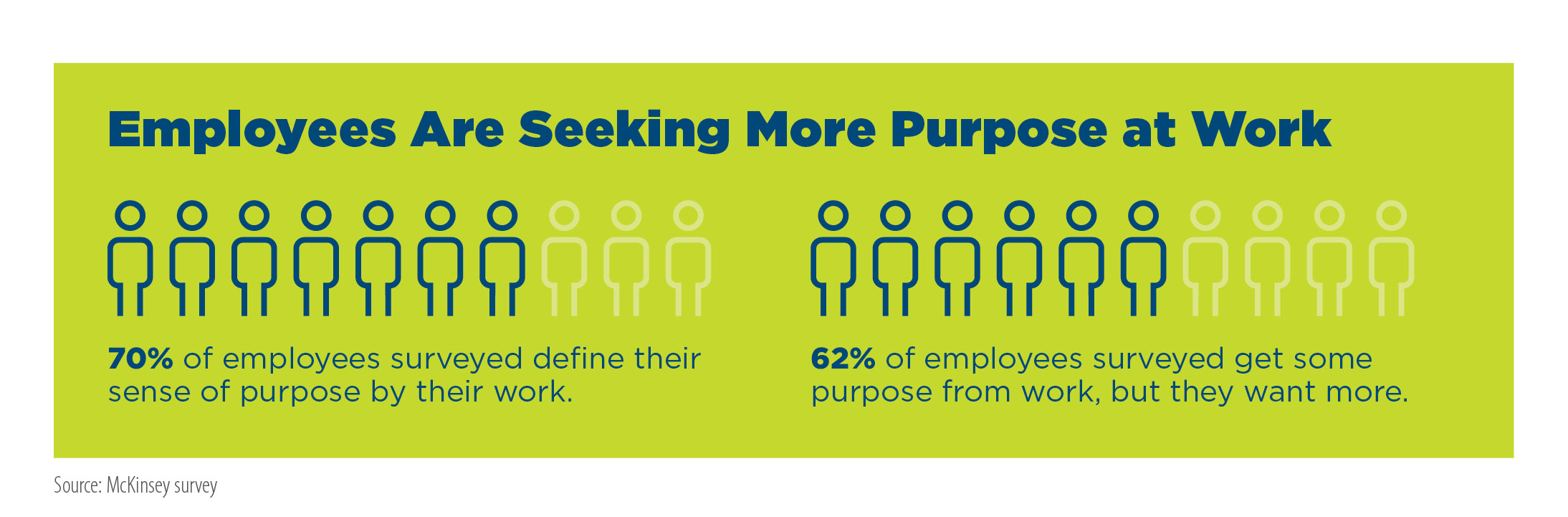
    https://newsroom.cigna.com/image/sense_of_purpose_graphic01.jpg
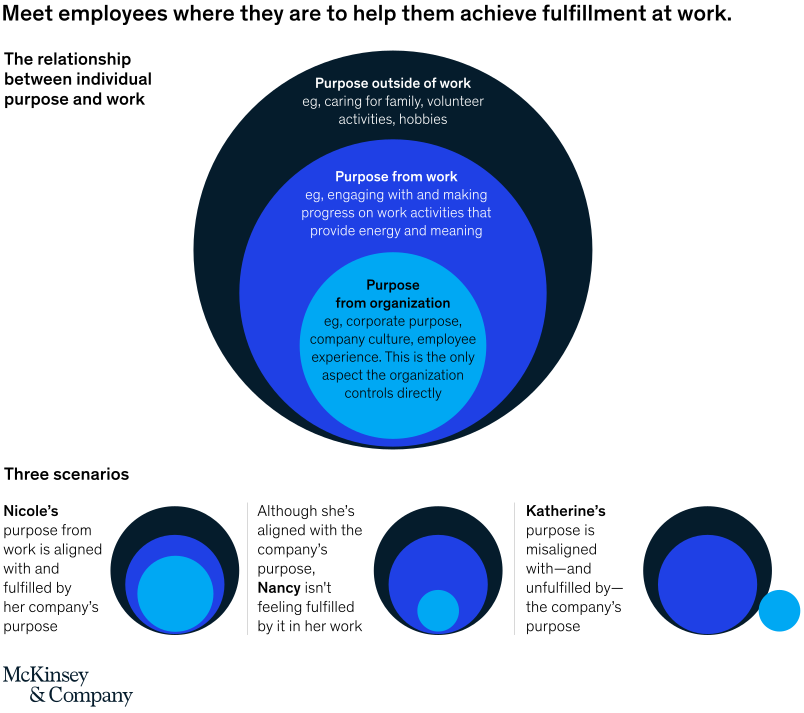
    https://www.mckinsey.com/~/media/mckinsey/business%20functions/people%20and%20organizational%20performance/our%20insights/help%20your%20employees%20find%20purpose%20or%20watch%20them%20leave/svgz-employee-purpose_ex1.svgz?cpy=Center&cq=50
    https://www.aihr.com/wp-content/uploads/sites/36/employee-engagement-plan-Blog.png
    https://emt.gartnerweb.com/ngw/globalassets/en/articles/images/the-human-deal-framework.png

    Neftaly Purpose-Driven Employee Engagement Consulting

    Neftaly offers specialized consulting services to help organizations cultivate a purpose-driven workplace that enhances employee engagement, satisfaction, and retention. By aligning individual values with organizational goals, Neftaly empowers businesses to create environments where employees are motivated, committed, and connected to meaningful work.

    Key Components of Neftaly’s Purpose-Driven Engagement Strategy:

    1. Aligning Personal and Organizational Purpose:
      • Facilitate workshops and coaching sessions to help employees identify their personal values and align them with the company’s mission.
      • Develop communication strategies that clearly articulate the organization’s purpose and how each role contributes to it.
    2. Integrating Purpose into Daily Operations:
      • Embed purpose-driven practices into performance management, decision-making, and leadership development.
      • Encourage managers to model purpose-aligned behaviors and recognize employees who exemplify these values.
    3. Fostering a Culture of Meaningful Work:
      • Create opportunities for employees to engage in projects that resonate with their values and passions.
      • Support initiatives that promote social responsibility, sustainability, and community involvement.
    4. Measuring and Sustaining Engagement:
      • Implement tools to regularly assess employee engagement and the alignment of personal and organizational purpose.
      • Provide ongoing support and resources to maintain a purpose-driven culture.McKinsey & Company

    Benefits of a Purpose-Driven Workplace:

    • Enhanced Employee Engagement: Employees who find meaning in their work are more likely to be engaged, productive, and committed to the organization.
    • Increased Retention: Organizations with a strong sense of purpose experience higher levels of employee retention. The Cigna Group Newsroom+2The Cigna Group Newsroom+2
    • Improved Organizational Performance: Purpose-driven companies often see better financial performance and greater innovation. Gallup.com+2The Cigna Group Newsroom+2
    • Attraction of Top Talent: A clear and compelling organizational purpose can attract candidates who are aligned with the company’s values.

    For more information or to schedule a consultation, please visit Neftaly’s official website.